


Welcome Cocktail
Opening Ceremony


Keynote opening | How can a 'New African Financial Architecture' combat a $400bn development finance gap?
Africa faces a structural development financing gap exceeding $400 billion per year. This gap does not primarily reflect a lack of capital — the continent holds approximately $4 trillion in domestic long-term savings — but rather deep structural constraints: institutional fragmentation, inefficient risk allocation, limited balance-sheet leverage, and insufficient coordination between public and private capital. The New African Financial Architecture for Development (NAFAD), led by the African Development Bank Group, aims to respond to this diagnosis with a system-level framework that reorganises how capital and risk are deployed across Africa’s financial ecosystem. Dr Sidi Ould Tah, President of the African Development Bank Group, sets out what the architecture will actually do, by when, and how.

Opening Panel | Making capital count: Turning Africa’s financial strength into an engine of growth and jobs
Key points
- Scale with purpose: How can consolidation, stronger balance sheets and cross-border expansion translate into greater capacity to finance productive investment rather than size for its own sake?
- Capital that reaches the economy: What will it take to channel more African savings and private capital towards businesses, agriculture and infrastructure — and create jobs at scale?
- Markets that make scale possible: How can technology, deeper financial integration and fit-for-purpose regulation extend the reach of African financial institutions across fragmented and underserved markets?


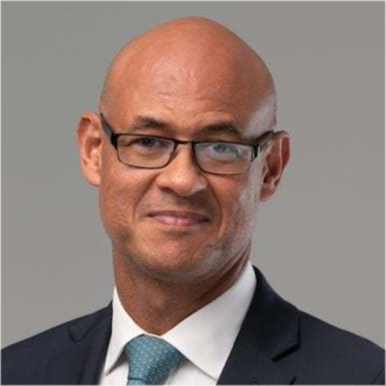
AFIS-Deloitte Barometer | Findings from the 2026 industry survey
What are Africa’s financial executives most confident about - and what keeps them up at night? The 6th AFIS-Deloitte Barometer reveals preliminary findings from this year’s survey of senior leaders across banking, insurance, fintech and capital markets, covering economic confidence, AI investment, risk exposures and sustainable finance.

ERICSSON SIDE EVENT | Sustainable Profitability in Financial Inclusion
Access by invitation only. English-French-Portuguese translation available.
Africa's financial inclusion ambitions are entering a new phase. Real-time payments, digital identity, interoperable platforms and emerging forms of digital money are opening new possibilities for reaching underserved populations. Yet expanding access does not necessarily translate into lasting economic value. High operating costs, fragmented infrastructure and questions around commercial viability continue to challenge the sustainability of financial inclusion at scale. How can Africa move beyond access to build financial ecosystems that are both inclusive and profitable?
Hosted by Ericsson, a global leader in connectivity and digital infrastructure, this high-level roundtable will bring together financial industry leaders, policymakers and regulators to explore how technology, innovative business models and public-private collaboration can make financial inclusion commercially sustainable. Discussions will focus on building trusted, interoperable and scalable financial ecosystems that deliver lasting value for citizens, businesses and governments.
Key discussion points:
- Rethinking the economics of inclusion: Which policy, technology and business-model choices can lower structural costs and make serving underserved communities commercially sustainable?
- Building trusted ecosystems that create value: How can financial services move beyond payments to generate greater economic value while safeguarding consumer protection, data privacy and trust?
- Setting priorities for sustainable scale: Which investments in real-time payments, digital identity, interoperability, offline services and digital currencies should take priority to build open, resilient and scalable financial systems?


Game changers | Capital architecture: A new age for African finance
Key points
-
Where does NAFAD intervene - guarantee, first-loss, risk assessment - and what does that mean for existing DFIs?
-
Which reforms would turn the architecture from a coordination framework into deployable capital?
-
Can local-currency markets absorb enough sovereign risk to reduce dollar dependency at scale?


Strategic Roundtable | Building a new asset class: How agtech can help transform agri finance in Africa
- Can agtech data, farmer aggregation and structured value chains turn smallholder agriculture into an investable asset class for banks and investors?
- How can agtech firms use digital farmer profiles, remote sensing and structured repayment mechanisms to act as trusted intermediaries and cut the cost and risk of agricultural lending?
- What mix of guarantees, insurance and risk-sharing facilities is needed to crowd commercial capital into agricultural markets?



Disrupters Club Roundtable | A new African “techbook”: Protect and hold
Banks, insurers and payment groups increasingly rely on technology built and hosted elsewhere, including cloud regions, core systems and AI models. When one of these fails, or is cut off, the rules of several countries may apply at once - or none may. Authorities can face providers with a wider technical pool than their own. The textbook of financial oversight was written for institutions with branches and balance sheets. What goes into the “techbook” for the systems those institutions run on?
Key points
-
Cloud cover: If financial systems run under external jurisdiction, whose rules apply to failure, remedy and recovery?
-
Safe keeping: Who decides where data lives, what does keeping it close cost, and for how long?
-
Band with us: What can public officials do on connectivity, hosting and skills to keep critical systems within reach?
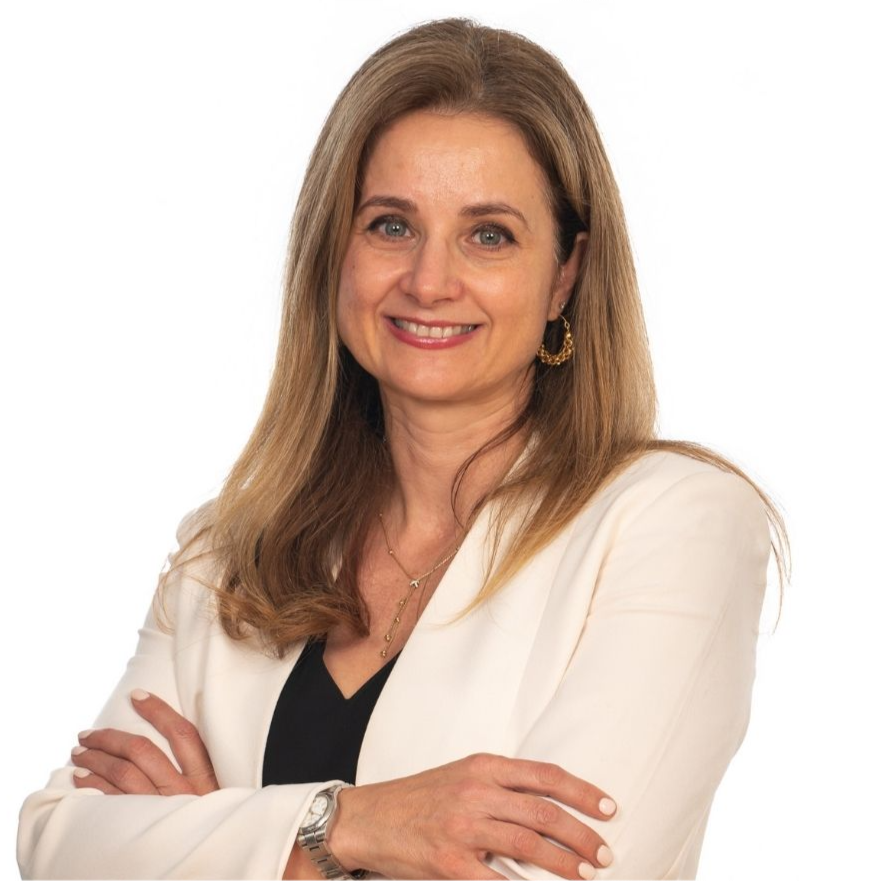


Insurance Supervisors Panel | Engineering left-behind universal health insurance markets
Health aid to sub-Saharan Africa fell a record 25% in 2025, and is projected to fall further, leaving fewer resources to reach the three-quarters of households without health insurance. Most pay health costs out-of-pocket - unaware of the options, unconvinced of the value of insurance or priced out by high premiums. Around a quarter of African nations have made health insurance mandatory, many within the past two decades. And penetration is modestly growing. But overall uptake remains low– at 13% in Nigeria, for example. Kenya moved in August 2025 to draw private insurers into its public scheme as claims administrators and complementary carriers. Elsewhere, however, high operating costs and hard-to-price informal-sector risk can limit private-sector participation. How can regulators reshape incentives, reduce market frictions, and crowd in private-sector capacity?
Key points:
- How should boundaries and incentives be calibrated for private insurers to supplement public universal health schemes?
- Supporting and financing coverage for poor and vulnerable groups: What is needed to grow risk pools and build risk-equalisation or equity funds?
- How far can regulation address the main barrier- premiums that most cannot afford?


AfDB SIDE EVENT I Making NAFAD Work for Africa's Real Economy : From Financial Strength to Bankable Projects, Mobilised Capital and Shared Ownership
Africa faces an annual development financing gap of over $400 billion, despite holding more than $4 trillion in domestic capital. Led by the African Development Bank, the New African Financial Architecture for Development (NAFAD) aims to better coordinate financial institutions, mobilise African resources and channel capital towards the continent’s development priorities.
Moving beyond a general presentation of NAFAD, this transaction-focused roundtable will use a concrete project or investment case to examine how governments, development finance institutions, commercial banks, institutional investors, guarantee providers and project sponsors can improve project preparation and financial structuring, crowd in equity and debt, reduce risk, and accelerate financial close.
Access by invitation only. English-French-Portuguese translation available.


MASTERCLASS UBUNTU | The Next 10-Year Opportunity for African Banking
Railways moved goods. The internet moved information. The next layer of financial infrastructure moves value. Larry Fink, BlackRock’s CEO, has called tokenisation the next generation of financial markets, and the first banks to embrace it could capture the lion’s share of this emerging opportunity. Led by Ubuntu Tribe, a pioneering African fintech at the forefront of real-world asset tokenisation, this masterclass will explore how tokenised assets, from gold to real estate and securities, work in practice, how financial institutions can capitalise on this transformation, and what regulators will expect.


Side Event Proparco - Risk Sharing in Practice: What it takes to finance more African SMEs
Access by invitation only. English-French-Portuguese translation available.
A guarantee demonstrates its value when a credit committee approves a loan it would otherwise have declined. Proparco and the European Union launched Impact+ at AFIS 2025, supported by a €178 million EU counter-guarantee, with the aim of mobilising €1.1 billion in guarantees over five years. The facility covers up to 80% of the principal on loans ranging from €500 to €2 million, denominated in local currency, euros or dollars. It succeeds EURIZ, which shared SME credit risk with African banks from 2019 onwards. One year later, financial institutions, Proparco and the European Union compare their results and set out the conditions required to finance African SMEs at scale.
Key points
- Which risks should guarantors bear, and at what coverage rate and price does a bank revise its credit decision?
- Which segments does a guarantee open up? Fragile markets, agriculture, climate, and enterprises led by women and young people?
- What do banks require in order to continue lending to these SMEs at scale once the guarantee has expired?





Conversation With | Will innovative debt management ease costly Eurobond refinancing or carry hidden risks?
Sub-Saharan Africa entered 2026 with its strongest start to the year for Eurobond issuance since 2013, raising $5.95bn in the first seven weeks. But borrowing rates vary sharply and can be expensive for governments facing a refinancing squeeze: Angola has committed to paying close to 10% on its latest issuance. Governments are therefore turning to alternatives. Nigeria’s planned $5bn total return swap, for example - and similar transactions in Angola and Senegal - use government securities as collateral. The IMF warns that costs are comparable to those of a Eurobond and that currency and interest-rate movements could create new fiscal risks. As governments explore swaps, buybacks and other structures, do these tools carry hidden risks or genuinely make debt cheaper and safer?

Panel - Women In | Will alternative data break or prolong gender bias in lending?
Africa's women-led SMEs face a $42bn annual financing gap that alternative credit scoring, increasingly adopted by commercial banks and fintechs, could help close. Yet algorithms trained on historical data risk inheriting decades of gender bias. Research suggests women assessed with alternative data receive credit scores 6–8 points lower than men despite equal or lower default rates. Left unchecked, these models could perpetuate exclusion behind a veneer of technological objectivity. Some fintechs are building safeguards: Tanzania's Tausi Africa removes gender-linked metadata from its models, while India's Lendingkart uses audited, bias-tested scoring. How can Africa’s financial industry recalibrate models to avoid algorithmic bias?
Key points:
- Which forms of alternative data genuinely expand women's access to finance, and which risk reinforcing existing biases?
- How can regulators and investors set standards for bias audits, transparency, and appeals processes for contested lending scores?
- Where should human judgement remain part of the lending process?


AWS Executive Forum: Regulating Financial Innovation in the Age of AI and Cloud
Access by invitation only. English-French-Portuguese translation available.
As financial institutions increasingly adopt artificial intelligence, cloud computing and other emerging technologies, regulators face the challenge of enabling innovation while safeguarding financial stability, consumer protection, and data security. This executive forum allows stakeholders to examine how regulatory frameworks can evolve alongside rapid technological change. The discussion will focus on finding a practical balance between innovation and oversight, strengthening collaboration between regulators and industry, and ensuring that emerging technologies can be adopted responsibly across Africa’s financial ecosystem.
Key discussion points:
- Balancing innovation and regulation: How can regulators create frameworks that encourage AI and cloud adoption without stifling financial innovation?
- Managing emerging risks: Addressing data privacy, cybersecurity, AI governance, operational resilience, and third-party/cloud risks.
- Building regulatory collaboration: Strengthening dialogue and cooperation between regulators, financial institutions, and technology providers to develop responsive, future-ready regulation


Panel | The 'growth reset': Crowding in private capital as the era of easy globalisation unwinds
The IMF wants a "growth reset" for Africa built on private investment, but conditions have become less favourable. "Globalisation is no longer happening on easy mode," says NinetyOne, a major African asset manager, as the era of cheap commodities ends and support for economic integration fades. Africa drew $70bn in FDI in 2025, its third highest on record, yet only 14 countries have issued local-currency corporate debt since 2000. FX repatriation rules, fragmented clearing, uneven Basel III implementation, and slow settlement cycles raise foreign investors' costs and deter African institutional investors from regional markets. Amid the conflict in the Middle East, climbing oil prices and slower growth in China, how can the financial sector help make African assets a safe investor haven?
Key points
- Which capital-charge reforms and local-currency instruments would keep more African pension, insurance and commercial bank capital on the continent?
- What must Africa’s banks, insurers, stock exchanges and fintechs do differently to support a foreign investors’ asset allocation on the continent?
- Where should stakeholders begin to shorten settlement cycles and smooth currency convertibility?


Strategic Roundtable | How will stablecoins fit into Africa's mainstream banking infrastructure?
Access via sign-up on the event app or by invitation only. English-French-Portuguese translation available.
Stablecoins are moving from crypto trading into African banking and payments. Businesses and households are using the dollar-backed cryptocurrencies for payroll, trade and to settle cross border payments at a flat 1.5% fee, versus 8% average. The Bank for International Settlements warns that “widespread adoption could affect macroeconomic and financial stability”. Central Bankers are also hesitant, Lesetja Kganyago, Governor of the South African Reserve Bank, said in February “there is a lot of hype around stablecoins”, but that "it’s difficult to tell what the benefits will end up being". Meanwhile commercial banks – such as Credit Bank in Kenya – are integrating stablecoins into their cross-border payment services. This roundtable discusses how banks can leverage stablecoins as well as the effects on financial systems for central banks.
Key points
- Which banking use cases can make stablecoins relevant beyond crypto and remittances
- How should regulators treat reserves, custody, convertibility and Anti-Money Laundering compliance?
- Should banks lead adoption, or leave the market to fintechs and offshore players?


Atlantic Re Masterclass: Retaining more risk, creating more value: the future of African reinsurance
- Building the capital, underwriting and actuarial depth to take on complex property, energy and climate risks
- Pooling capacity across borders and aligning regulation so premiums stay in African markets
- Channelling retained premiums into long-term investment and easing pressure on foreign-exchange reserves


Panel | Democratising investing with AI and mobile-first apps – safely
“The era of intelligent investing has already arrived,” Nigeria’s SEC Director-General said in May. Mobile-first securities trading platforms are widening access to a broader retail audience. AI-enabled algorithmic trading and robo-advisory services – through innovators such as Hisa and EasyEquities -are now adding a new layer, to make investment analysis accessible. As AI moves closer to investment decisions, regulators must decide where to embrace such innovation and where to draw lines. Mauritius has been among the first to establish a framework, granting its first AI-enabled advisory services license this year. How can mobile-first platforms and AI tools bring securities investing to the mass market while protecting investors?
Key points:
- Which forms of mobile-first and AI-powered tools are proven to widen access most?
- Consumer protection: How adequate are regulatory frameworks in this area and where is reform needed?
- When AI investment tools get it wrong, where does accountability lie among AI providers, fintech platforms and brokers?


Africa Business+ Roundtable | How to Africanise project and M&A financing?
Access by invitation only. English-French-Portuguese translation available.
Africa’s corporate sector wants to finance its most ambitious infrastructure projects and M&A deals at home, in local currencies and through African financial institutions, from local banks to local pension funds, who appear as an increasingly important source of long-term capital. Regional banks may lack the balance sheet capacity to finance 7-to-12-year project debt or large acquisitions. Corporates therefore turn to foreign firms - typically US or European banks - which arrange two-thirds of Africa's non-financial corporate debt, 53% of it in dollars. Others bypass banks and issue debt on exchanges outside Africa where liquidity is deeper. MTN Nigeria's oversubscribed 2021 naira bond and Dangote Industries' ₦300bn bond programme show local currency financing arranged by African banks can fund big-ticket deals – but they remain exceptions. African financiers meet corporate clients to ask: How can more of the continent's largest deals be financed, structured and ultimately owned onshore?
Key points:
- What products and governance upgrades are CFOs looking for to source financing locally for their biggest deals – and how can banks boost their equity to be able to offer such products?
- What role can pension funds, insurers and locally-backed investment funds play in financing large projects and M&A transactions, and does the origin of LP capital matter?
- Deepening African markets: What will encourage corporate bonds listings on local exchanges, in local currencies and arranged by African banks?
- How can DFIs and regulators enable banks to lend long-term for big projects, when rules penalise long-tenor loans and reward parking capital in short-term government securities?


BANCO SOL SIDE EVENT | Beyond bad loans: Restoring bank balance sheets and unlocking credit growth
Non-performing loans (NPLs) are more than a balance-sheet problem: they tie up bank capital, erode profitability and constrain lending to the real economy. From weak credit assessments and governance failures to macroeconomic shocks, the causes are multiple, while the cost of inaction extends well beyond individual institutions. As banks face mounting pressure to clean up their loan books, how can they reconcile financial stability with the need to sustain credit growth?
Hosted by Banco Sol, this high-level roundtable will bring together banking executives, regulators and financial experts to examine practical solutions to distressed loan management, drawing on experiences from Africa and Europe. The discussion will explore how banks, shareholders and public institutions can share responsibility for restoring asset quality, strengthening resilience and safeguarding depositors.
Key discussion points:
- From prevention to recovery: How can stronger credit risk assessment, governance and loan recovery mechanisms reduce NPLs?
- Restoring balance-sheet strength: What recapitalisation, restructuring and distressed asset management solutions can help banks absorb losses and restore lending capacity?
- Shared responsibility for financial stability: How can shareholders, regulators and judicial institutions work together to accelerate NPL resolution while protecting depositors and financial stability?
Access by invitation only. English-French-Portuguese translation available.


CEO Talk | Africa’s banking giants vs digital challengers: Who owns the future?
Africa’s biggest banks are building neobanks and its leading fintechs are turning into banks. Nigerian unicorns Paystack and Flutterwave both secured microfinance bank licences in their home markets this year. Wave established Wave Bank Africa in late 2025 in Côte d’Ivoire, while in Kenya Nigeria’s Moniepoint bought Sumac Microfinance Bank in March 2026, taking control of a licensed microfinance bank. Legacy banks are responding. Attijariwafa Bank this year launched “Simple.”, Morocco’s first neobank, ahead of Revolut’s expected entry. As Standard Bank Group’s CEO points to “intensifying competition” from fintechs, how will banks decide how much of their business to unbundle, which segments to defend, and whether to compete, partner with or acquire the fintechs eating at their margins?
Key points
- Neobanks vs incumbents: Can large African banking groups build agile digital brands without cannibalising their core businesses?
- Fintech as threat or partner: When does acquisition make more sense than internal innovation?
- How can banks achieve sustainable revenues in a mobile-first, low-fee competitive landscape?


Gala Dinner and Awards Ceremony
Access by invitation only
AFIS Supervisory Council Meeting
Access by invitation only. English-French-Portuguese translation available.
BOAD SIDE EVENT | Building WAEMU’s Future: Financing Sustainable, Inclusive Housing as a Driver of Energy Sovereignty
Access by invitation only. English-French-Portuguese translation available.
Across the WAEMU region, an estimated housing deficit of 3.5 million units presents both a structural challenge and a major opportunity for high-impact investment. The priority: mobilising long-term capital and risk-sharing mechanisms to finance affordable, sustainable and energy-efficient housing at scale.
On the sidelines of AFIS 2026, the West African Development Bank (BOAD) will bring together investors, industry experts and financial decision-makers to turn this ambition into bankable solutions, from innovative financing instruments and strategic partnerships to concrete opportunities for capital mobilisation.
- Which refinancing, guarantee and risk-sharing instruments can accelerate investment in affordable housing?
- What financing models can expand access to housing for low-income households and those with irregular earnings?
- How can climate finance, bioclimatic design and locally sourced building materials be combined to lower costs and strengthen energy sovereignty?
Join this strategic discussion and help identify new partnership opportunities to unlock and structure the investments that will shape the future of housing across the WAEMU region.
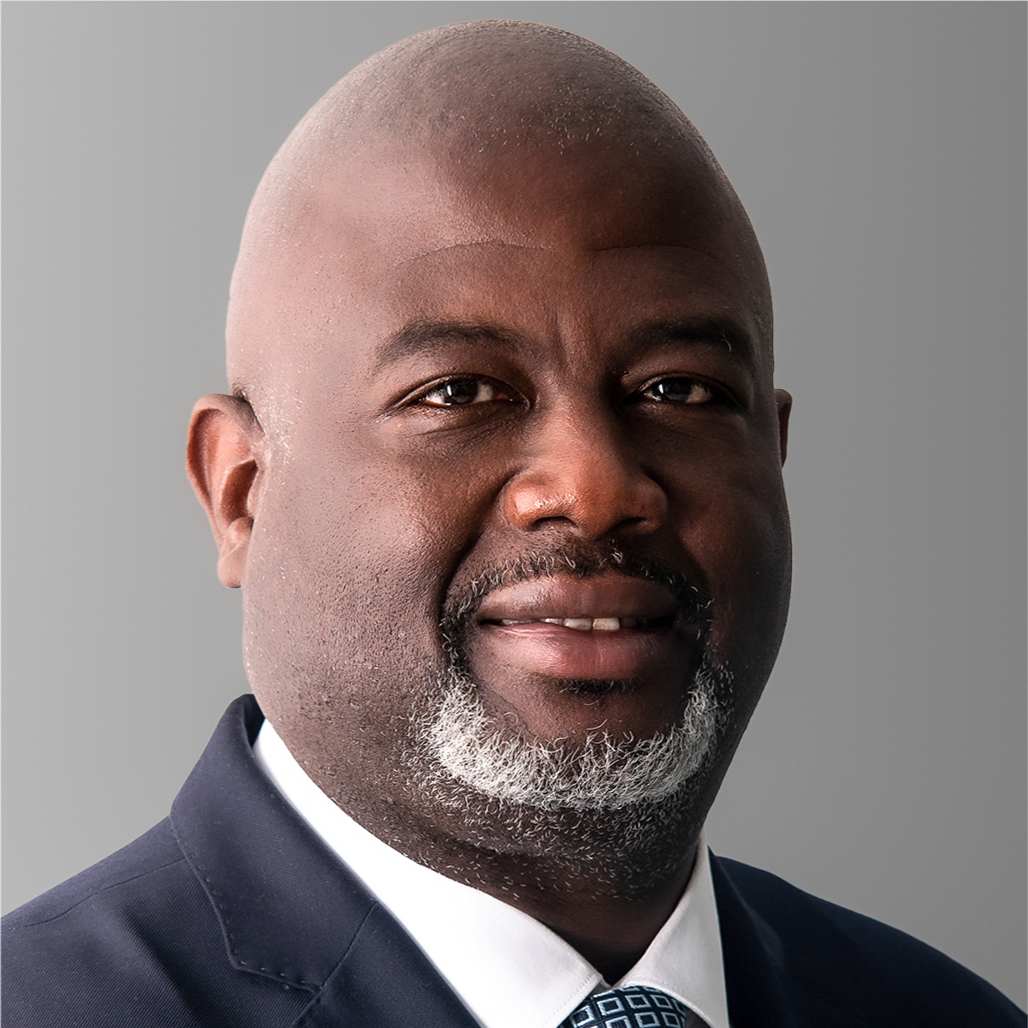




Side Event AXIAN | Building Together : how can regulators and innovators shape Africa's next financial system?
Access by invitation only. English-French-Portuguese translation available.
Mobile money gave Africa reach. The next decade offers a chance to add depth. As wallets grow into full-service providers and value moves toward credit, savings, insurance and cross-border payments, new infrastructure is arriving quickly, from instant payment systems and interoperable networks to stablecoins. Regulators and industry share the same goals of broader access, protected consumers, stable markets and room for good ideas to scale. Across the continent, sandboxes, joint consultations and common standards show how early dialogue can speed up innovation and strengthen safeguards at the same time. This session brings supervisors and industry leaders together to share what has worked, where gaps remain, and how to close them jointly.
Key points
- How can regulators and providers work together to widen access to credit, savings and insurance while protecting consumers and financial stability?
- What makes the licensing process work well for both sides, and how can early dialogue shorten the path from product to market?
- As instant payment systems and cross-border links take shape, what models of public-private ownership and governance have delivered results?


Side Event Polytechs | Preventing Systemic Risk in Africa’s Digital Payments
Access by invitation only. English-French-Portuguese translation available.
A payment originates at a bank, passes through a digital wallet, switches aggregators, and ultimately gets converted into stablecoins. At each stage, part of its transaction trail disappears. Multiple accounts, untraceable merchants, and poorly documented settlements create blind spots where fraud can thrive. When several institutions rely on the same intermediaries, a local incident can spread across the entire system.
Polytechs Global has tested this problem in the field through its monitoring of the online gambling sector. Its solution is called Sentinel, a supervisory hub operating under the governance of the relevant authorities, which cross-references data from banks, electronic money institutions (EMIs), and payment service providers (PSPs). The next step is a joint pilot involving central banks, banks, and fintech companies willing to participate.
Key discussion points
-
What data should banks, EMIs, PSPs, and payment orchestrators share to track a payment from initiation through to settlement?
-
At what point does a local traceability gap become a threat to financial stability?
-
Who should lead a coordinated supervisory framework involving central banks, sectoral regulators, and financial intelligence units?
Panel | Premium drain - Can Africa's insurers and reinsurers attain critical size to shoulder large and speciality risks?
Premium outflows are rattling Africa's insurance industry. Around 70-90% of premiums for speciality risks are flowing to non-African reinsurers, Afreximbank said in July. Without well-capitalised, technically skilled local insurers and reinsurers, sectors needing large, specialised cover in oil and gas, aviation and mining default to international coverage - placed offshore directly or fronted locally but ceded to foreign reinsurers. This pushes data, expertise, and profits that could be reinvested in Africa overseas. Stronger reinsurance capacity, risk pooling such as the Africa Re-managed African Oil & Energy Pool, and higher capital minimumshave been proposed as ways to improve retention. How should this be coordinated to make African insurers better positioned to cover large-scale and specialty risks?
Key points:
- What will help African specialty risk pools grow large enough to retain more oil and gas and mining premiums at home?
- Compulsory cession to African reinsurers: A smart way to retain premiums or a risk of excessive concentration?
- How can insurers and reinsurers deepen capital bases - and should regulators go further to compel them?


Side Event EBID: An Agenda for Transformation: EBID and West Africa’s next phase of development
Access by invitation only. English-French-Portuguese translation available.
West Africa carries some of the continent's steepest challenges: a fast-growing population, wide gaps in infrastructure and jobs, and acute exposure to climate shocks. It is also one of the most profitable investment frontiers in Africa with a youthful population and growing middle class. Turning that promise into results takes more than capital. It takes strong institutions, new forms of partnership, and the capacity to convert investment into real development. As the development finance institution of the fifteen West African countries, the ECOWAS Bank for Investment and Development (EBID) is deepening its role as a regional partner to governments, businesses, investors, and development institutions. Its GRO Strategy (2026–2030), built on Growth, Resilience and Optimisation, sets a five-year roadmap to strengthen the Bank's financial capacity, widen private sector engagement, and accelerate more sustainable and inclusive development across the region.
Key Points :
- How, and with which partners, can EBID use its financial strength, regional mandate and GRO Strategy to mobilise more capital for the opportunities shaping West Africa's next phase of growth?
- Which sectors offer the strongest returns for investors, businesses and development institutions, and how can EBID help turn them into tangible development impact?
- How can investors and institutions work with EBID to speed up regional development, and what role will the ECOWAS Investment Forum (EIF) 2027 play in bringing capital, opportunities and partners together?


Disrupters Club Panel | Developing a full suite of digital SME financial services beyond payments
AfDB’s former president, last year, expressed his dismay. Young entrepreneurs are departing Africa due to subdued commercial bank lending. Afreximbank, IFC and others have called for a more complete SME finance offer – comprising savings, supply-chain finance, factoring, insurance and embedded finance - to complement fintech and mobile money-led payments, and narrow Sub-Saharan Africa’s $331bn funding gap. Data collected by digital payment players could give banks and insurers a clearer picture of SMEs’ sales, unpaid invoices and inventory, helping assess when businesses require working capital. A broader range of digital financial services could then be embedded into SMEs’ digital accounting, ERP platforms or other non-financial digital channels. How can banks, fintechs and regulators collectively scale this wider, fit-for-purpose range of SME finance?
Key points:
- How can Africa build an SME finance offer it can be proud of and make tangible progress towards closing the gap by 2030?
- What fintech and mobile money data remain underused in supporting supply chain embedded finance and credit?
- Where should regulators set interoperability, digital identity, API and consent standards to support integrated services?


Side Event Backbase | From digital to agentic: can Africa’s banks leap ahead again?
Access by invitation only. English-French-Portuguese translation available
African banking has leapt ahead before. Mobile money, USSD and digital wallets reached millions of customers that branches never did. Banking is now moving from digital channels, where the customer does the work, to agentic banking, where AI agents act for customers and staff and finish whole journeys from end to end. For banks in Angola and across the region, this is a strategic opening. Institutions that are still modernising may be able to skip whole stages of the digital journey and build agent-ready foundations from the start. The risk is adding AI on top of broken journeys and old systems, which only automates the friction customers already feel. Senior banking leaders and Backbase discuss what agentic banking means for the next five years.
- What is the real difference between digital and agentic banking, and why does it matter for the board?
- Where can African banks realistically leap ahead, and where do the basics still need fixing first?
- What happens to customer loyalty when an AI agent chooses between banks, and what should a CEO put first in the next 12–18 months?

Strategic Roundtable | Reinforcing credit bureaus & thwarting NPLs: Turning Africa's credit data desert into an oasis
Access via sign-up on the event app or by invitation only. English-French-Portuguese translation available.
Strengthening credit data could be a route to better risk pricing, lower non-performing loans (NPLs) and greater private-sector lending. Few African markets have "fully functioning" credit reporting, and those that do hold only "limited" MSME customer data, according to IFC. Alternative mobile data is starting to be incorporated into credit bureaus, with MTN agreeing to share data with Experian and TransUnion in recent years in South Africa. Yet across the continent, utility bills, mobile money, and trade payments are mainly outside scoring models. Creditinfo Central Africa launched in February to reinforce cross-border data across CEMAC. Still, data in many markets is siloed and non-standardised. Commercial lenders, credit registries, and fintechs come together to modernise Africa’s credit infrastructure.
Key points
- How can regulators safely integrate mobile money and retail data into formal credit bureau structures?
- What legal and technical frameworks are required to enable secure, cross-border credit data sharing?
- How can AI-driven credit scoring tools lower NPL rates without excluding historically unbanked borrowers?


Business Case | AI in financial services: How to join the 1 in 20 generating returns
Today, just 5% of AI projects launched by corporates globally succeed in generating a return on investment. At Africa-level, more than half of banks report high implementation costs and struggles integrating AI into legacy systems. Despite early barriers, the AfDB anticipates that AI use in the financial sector could add $80bn to Africa's economy by 2035, through improved customer journeys and fraud detection, enhanced operational efficiency and other credit and investment decisions. Leading financial institutions share the most lucrative AI plays the industry can implement now.
Sector perspectives
- Britam | AI in Insurance: Elevating claims processing & pricing decisions
- HPS | Leveraging AI in payments and neutralising AI-enhanced fraud
- Polytechs | How can AI analysis help regulators assess big data?
- Sunu Group | Hyperpersonalizing custumer service with chatbots without losing the human touch
- BFA | Delivering efficiency gains in retail and corporate banking with AI & GenAI
-
Visa | From AI ambition to impact: turning intelligence into business value


Masterclass ASSECO: How banks can use AI, data and ecosystems to grow SME banking – without rebuilding the bank


Strategic Roundtable | Redirecting $5bn a year in cross-border payment and diaspora remittance value back to Africa
Access via sign-up on the event app or by invitation only. English-French-Portuguese translation available.
Africa forfeits an estimated $5 billion to the high cost of moving money across its borders. Sending $200 costs 8.46% on average, against a global average of 6.36%, making Sub-Saharan Africa the world's most expensive remittance destination. A Kenya-to-Nigeria payment still routes through dollars before reaching naira, adding conversion costs and compliance checks. PAPSS now connects 28 countries and over 190 banks, but live commercial bank participation covers far fewer markets, constrained by licensing fragmentation, central-bank caution and balance-sheet mismatches that make local-currency settlement hard to price. As diaspora flows outpace FDI across much of Africa, how can the financial industry ensure the proceeds remain on the continent?
Key points
- What would local-currency settlement require from banks technically, commercially and on the balance sheet?
- Why have central banks been slow to commit operationally to PAPSS, and what would change that?
- Which corridor could realistically pioneer remittance licence passporting at scale?


Strategic Roundtable | Engineering manufacturing and agro-processing PE funds that crowd in institutional capital
Access via sign-up on the event app or by invitation only. English-French-Portuguese translation available.
Africa’s own private capital is largely bypassing its widest industrial gaps: manufacturing and agro-processing. Though the continent closed 2025 as the only region globally to record growth in private capital deal volume, up 8%, private capital directed to agro-processing came “under pressure”, according to AVCA, as funds flowed mainly to fintech and IT. Some PE funds such as Amethis Fund III, SPE PEF III and Phatisa Food Fund 3 have manufacturing and agro-processing in their remit, but they operate in a fundraising landscape deeply anchored by DFIs where patient capital is scarce. What can lure local & international private investors - put off by slow returns, currency volatility and uncertain exit strategies – to commit serious long-term capital to Africa's industrial transformation?
Key points:
- How to design “industrialisation-focused” PE funds to lure a slice of Africa’s $775bn pension and insurance pool as anchor LP investors
- DFIs contributed 64% of fundraising in 2025. When does their capital enable private equity and when does it replace it?
- With IPOs at just 5% of exits, what pathways could make long-horizon industrial investments attractive to private investors?


Straight talk, with Jeune Afrique & The Africa Report | Is 'impact banking' just a slogan?


Strategic Roundtable | Beyond a 1% infrastructure allocation: How can insurers join the blended finance mix?
Access via sign-up on the event app or by invitation only. English-French-Portuguese translation available.
The continent's insurance industry holds around $441bn in assets, the global insurance industry $42 trillion. The long-duration liabilities of life insurers make them well suited to long-term horizon infrastructure projects. Insurers’ asset allocation to infrastructure globally however stands at around 1% and is estimated at “almost zero” in Africa (outside South Africa), as low-risk sovereign debt is the favoured asset class. Capital charges, threats to an insurer’s liquidity profile, an absence of appropriate instruments, and project failure risks keep insurers on the sidelines of infrastructure investing. A roundtable of insurers, regulators and infrastructure developers discuss how to create enabling investment conditions.
Key points:
- Insurers hold long-term liabilities that match infrastructure timelines. What instruments (guarantees, first-loss tranches, project bonds) would augment their risk-return profile?
- Blended finance with first-loss concessional capital unlocked $80m in naira-denominated financing for Sun King in Nigeria (2025). Is the model replicable elsewhere?
- What reforms would allow African insurers to allocate more to infrastructure within prudential limits?


Panel | Beyond market linkages: Can harmonised listings unlock cross-border liquidity across Africa?
Three years after launch, the African Exchanges Linkage Project (AELP) has generated just 21 transactions and 6,160 shares traded, worth $8,670 as of 1 January 2026 – a symbolic volume for a platform meant to connect a continent. Africa’s stock exchanges remain fragmented, with different listing rules, disclosure standards and settlement systems limiting cross‑border investment and regional liquidity. Most equity and bond trading still happens domestically. As Pan-African banks, telecoms and infrastructure groups are actively looking to raise capital domestically across jurisdictions, how can stock exchanges strip away multiple listing costs and regulatory complexity?
Key points:
- How far should exchanges go on mutual recognition of listings, prospectuses and corporate governance codes?
- What incentives would push major corporates and investors to treat African securities as a single integrated asset class?
- What technology and data standards are needed to link trading, clearing and central securities depositories across multiple African markets?


Strategic Roundtable | Scaling agricultural index insurance to support food security and agri-finance
Access via sign-up on the event app or by invitation only. English-French-Portuguese translation available.
Climate shocks caused substantial damage to a third of Africa's overwhelmingly rain-fed farm plots between 2008 and 2019, deterring commercial banks from smallholder lending. Index insurance tied to rainfall or yield triggers could protect farmers from natural disasters, which cost Africa $3bn in 2025 alone, and reduce lending risk. However, uptake of first-generation products since the early 2000s remains “disappointingly low”, especially without government-subsidised premiums, a July 2025 World Bank study found. NGOs have also highlighted "major defects" in payout triggers after Malawi's 2016 drought insurance failed to pay out immediately despite widespread crop failure. Insurers, bankers and agtechs examine how to scale affordable index insurance through truer-to-life triggers and smartphone delivery.
Key points
- How can commercial banks, fintechs and agtechs bundle index insurance into smartphone-based credit lines?
- What public-private mechanisms are required to subsidise premiums and scale reliable, satellite-based remote sensing data?
- How can insurers overcome basis risk to ensure payouts reflect real on-farm climate impacts accurately?


Workshop - Women In | More women investors, still only a fraction of women-led startup funding - what must change?
Access via sign-up on the event app or by invitation only. English-French-Portuguese translation available.
Women hold 33% of investment committee seats across Africa's private capital ecosystem, nearly three times the global average of 12%. Yet African female founders secured just 0.9% of the $3.2 billion in startup funding deployed across the continent in 2025, the lowest share in four years, despite evidence that firms with majority-female investment committees allocate almost half their portfolios to women-led businesses. Africa has made significant progress in diversifying who allocates capital, but funding outcomes remain deeply unequal. If women are increasingly shaping investment decisions, what is preventing that progress from translating into capital for women-led businesses?


LEAD Working Group | Putting ‘financial health’ at the heart of regulatory reform
Access by invitation only. English-French-Portuguese translation available.
National financial inclusion strategies – such as Kenya's recent 2025–2028 plan- are shifting from financial access for access's sake toward ensuring households demonstrably thrive through diverse, affordable and quality services. Closing non-bank, digital policy gaps will be central to this reorientation towards ‘financial health’. Regulators are already weighing measures that include stronger fintech Know Your Customer and governance rules, virtual asset frameworks, alternative collateral registries - so digital lenders can accept movable assets, such as crops, as loan security, and open finance directories to lower transfer costs and foster cross-platform interoperability. A working group under LEAD, a public-governance initiative, brings regulators and private-sector leaders together to align on digital finance reform priorities
Key points:
- Agreeing upon a universal definition of “financial health” and how – and how often - it should be measured
- Virtual assets e-KYC and open finance: Where does the private sector see the largest policy gaps preventing it from advancing “financial health”?
- Lessons from past national strategies: What truly incentivises the private sector to build affordable services and a savings culture in commercially unviable informal sectors?


Conversation With | Navigating the polycrisis: How conflict, trade fragmentation & dollar diversification are reshaping Africa's financial landscape
Sub-Saharan Africa has proved resilient to the war in the Middle East, with growth forecasted to hold steady at 4.5% in 2026, but some countries are feeling the strain more than others. Several countries are relying on greater local-currency financing, while the IMF highlights the importance of stronger credit information systems and sufficient commercial-bank capital and liquidity buffers, while warning that banks’ growing exposure to government debt could heighten risks to financial stability. African countries and financial institutions are meanwhile deepening local-currency and regional payment options, with PAPSS expanding, Angola allowing commercial banks to use Chinese yuan to meet FX reserve requirements, and Afreximbank issuing its first Panda bond. The IMF’s Africa Director discusses how African economies and financial markets can navigate what the Fund calls “a precarious world”.


Panel | Capital with impact: Mobilising private investment for transformative growth in Africa
African countries are facing rising financing needs whether to support SMEs, climate adaptation, women’s entrepreneurship, or infrastructure - at a time when fiscal space is tightening. Africa has trillions of dollars in domestic assets - pension funds, insurance companies, and sovereign wealth funds. But much of that money sits in low-yield government securities instead of financing infrastructure, energy, agribusiness, healthcare, tourism and value-added manufacturing projects which have the greatest opportunities to create jobs. It is essential to build domestic and regional financial sectors in Africa capable of carrying their fair share of the financing needed for the continent’s job creation, sustainable growth, prosperity, and sustainability. Deep, efficient, and innovative capital markets are essential to lower the cost of capital and mobilise the scale of private capital required to unlock Africa’s development.
Key Points:
- The key obstacles currently preventing institutional capital in Africa from being deployed at scale for long-term development, including regulatory environment, access to reliable data, transaction costs, and pipeline of commercially viable projects.
- Priorities for regulators and industry players in Africa as we build the markets to mobilize our domestic capital into key sectors of the economy, including the specific regulatory, policy, or market reforms that would make domestic capital more willing and able to invest in productive sectors.
- The lessons learned from recent issuance of innovative capital market financing tools gaining traction in Africa and from elsewhere and how to scale these instruments to drive economic activity and create jobs.


Panel | The 10:1 golden ratio: Can Africa finally crack the private capital mobilisation formula?
Every public sector dollar raised for Africa should pull in ten private sector dollars, a goal championed by African development finance leaders. Two different capital pools stand between ambition and reality. International institutional investors remain wary of African exposure despite thirty years of Global Emerging Markets data putting Sub-Saharan Africa's private lending default rate at 6.05% and recovery rates at 78% - among the strongest of any region. African institutional investors, meanwhile, are not risk-averse so much as rationally parked: sovereign debt's high yields outcompete the continent's still-thin private credit and equity markets. Kenya's KEPFIC pooling model and Côte d'Ivoire's CNPS - now co-investing in real estate, banking and cross-border assets - show what happens when domestic capital is given the structures to move. What would it take to unlock both pools at once?
Key points
- International capital still prices African risk above the data. What mix of guarantees, rating reform and disclosure would close that gap?
- African pension and insurance capital defaults to sovereign debt paying double digits. What pooling models, early technical assistance or DFI-anchored structures could shift that calculus?
- Over half the capital raised for Africa-focused private credit funds since 2021 sits unallocated - against under one-third globally. Is this a confidence problem, an instrument problem, or both - and how replicable are the fixes across jurisdictions and sectors?


CFO Exchange | Tackling the 40+ African currency challenge facing businesses
Access via sign-up on the event app or by invitation only. English-French-Portuguese translation available.
African currencies have depreciated 65% against the dollar since 2007. For CFOs, this means higher procurement costs, tighter working capital and earnings volatility. Hedging instruments remain scarce and short-dated, rarely extending beyond 12 months, and are priced for deeper liquidity than most African markets can support. Cost is the primary barrier: 61% of African financial institutions find hedging products too expensive for the margins they protect. Where derivatives are unavailable, corporates rely on natural hedging, inter-company financing, faster settlement and local-currency invoicing. In 2013, Brazil's central bank used FX swaps to create a liquid derivative market where none had existed. Could African markets develop practical hedging solutions without adding fiscal or monetary risk?
Key points
- When derivatives are unavailable or unaffordable, what corporate FX management strategies actually work, and which exposures remain unhedgeable?
- Should central banks provide hedging instruments directly, or focus on building the liquidity conditions that let markets price risk?
- Hard currency allocation is a regulatory decision: what does productive engagement between CFOs and central banks look like?


Panel | From field to finance: Making African agri-finance bankable at scale
Around 5% of financial credit reaches African agriculture, a sector central to GDP, employment and food security. Yet momentum is building. This year alone Ecobank (€300m with Proparco), Coris (€80m via EBID) and KCB (two facilities worth ~$197m) each secured major DFI backing for agri-finance, while 16 financial institutions in May formed an Africa AgriTrade Coalition to scale up agri trade finance. Without DFI risk-sharing, agri finance can be uneconomic: some studies suggest lending to the segment is eight times less profitable than banks’ average business lines with NPLs 40% higher. Farmer surveys indicate products are meanwhile often unaffordable and unsuited to crop cycles and cash flows. How can competing banks form consortia, together with agtechs, insurers, Village Savings and Loan Associations (VSLAs), cooperatives, DFIs and governments to help the smallholder-driven agri sector become commercially viable?
Key points:
- How can banks build profitable agri finance models through agtech, DFI and community partnerships, then scale to a point where risk-sharing is no longer needed?
- What are the winning components of profitable and affordable crop- and livestock-specific products aligned to harvest cashflows?
- How should banks treat agtech-led smallholder data on farm size, yield, fertiliser use, and crop photos to develop effective data-driven lending models?


Strategic Roundtable | Clean energy financing: Rewriting the terms to suit the asset
Access via sign-up on the event app or by invitation only. English-French-Portuguese translation available.
Africa’s clean energy projects are typically financed by international capital in US dollars on short five-year loan tenors, at borrowing rates up to three times higher than in advanced economies. Solar plants meant to last 30+ years must refinance every five years at the prevailing rate, while repaying dollar debt from revenues earned in a weakening local currency. An African response is underway. Africa Finance Corporation this year disbursed €43 million under a dual-currency green bond, in euros and CFA francs, to finance what will become Côte d'Ivoire's largest solar plant. While capital for solar, hydro and wind projects is readily available, how can financing be better adapted to the projects it is meant to fund?
Key points
- Why is a solar project with two decades of contracted revenues still capped by its sovereign ceiling?
- How can DFI guarantees go further to cover risks such as late payment by state utilities and FX exposure?
- What would lower the risk enough for commercial lenders to extend tenors?


Conversation With | De-dollarisation, the DRC way, and the broader impact for Africa
The DRC is moving to reduce its underlying dependence on the dollar and strengthen its own currency. Almost 88% of deposits in the Congolese banking sector are denominated in foreign currencies, especially dollars. From early April 2027, the DRC will ban cash payments in foreign currencies, while the central bank takes exclusive control of foreign-banknote imports. Dollar accounts and electronic payments will remain legal. The country is also considering requiring companies in extractive industries to convert a share of their dollar export proceeds into Congolese francs. The DRC’s Minister of Finance discusses how to build trust in the Congolese franc, the country’s broader economic agenda and what lessons the DRC’s move offers for Africa’s wider push for stronger local currencies.


Central Bank Governors Panel | One continent, one currency, one central bank: Setting the regulatory course for 2028–2034
The African Union's endgame - a single currency under an African Central Bank (ACB) - is gaining traction, with its precursor, the African Monetary Institute, opening in September 2026. For union to succeed, central bank governors must settle where to begin converging. Leading with top-down macroeconomic alignment, such as bringing inflation, deficits and debt into line, risks delaying integration amid domestic fiscal crises. Converserly, starting with payment systems and banking prudential requirements offers immediate trade benefits but leaves currency volatility unaddressed. With the ACB’s 2028–2034 launch window approaching, which sovereign powers should central banks surrender first to prevent monetary integration from stalling?
Key points
- Which criteria take priority: aligning macroeconomic targets or unifying cross-border banking prudential rules?
- How can regional payment systems interlink effectively without exposing stable economies to external currency shocks?
- Private sector implications: What mechanisms will protect smaller, localised banking sectors during the transition to a single regulatory framework?


